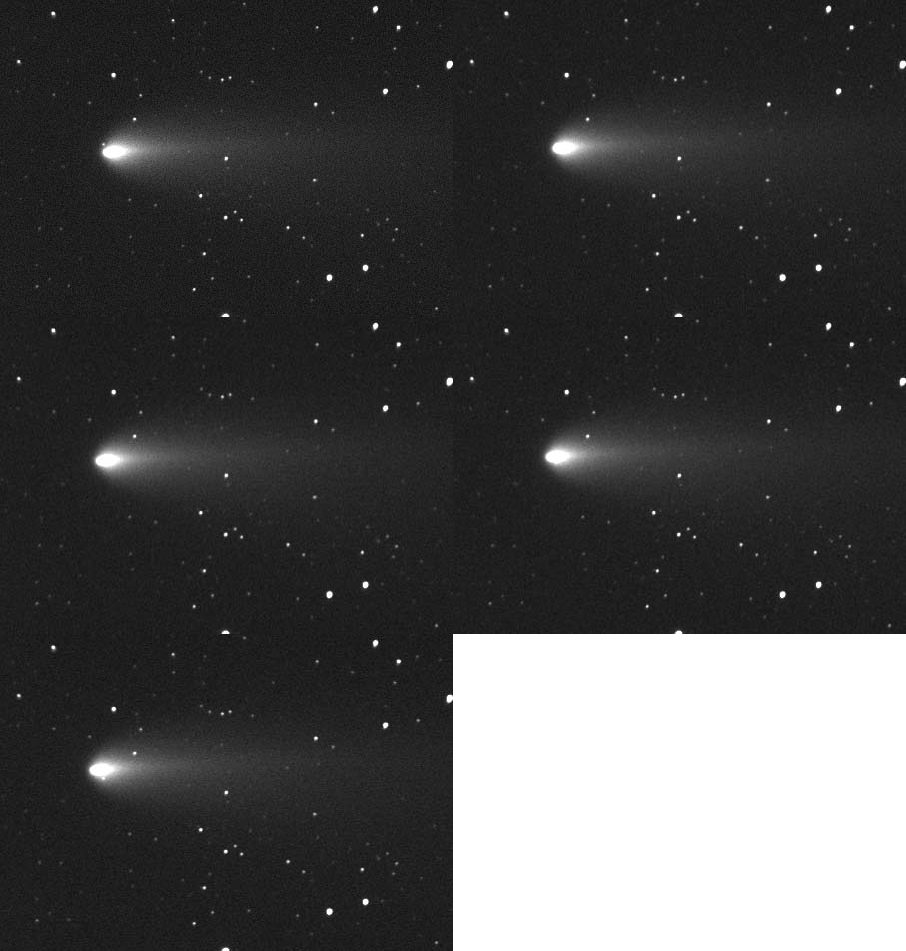

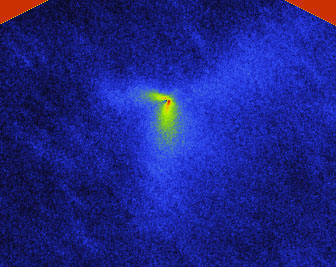
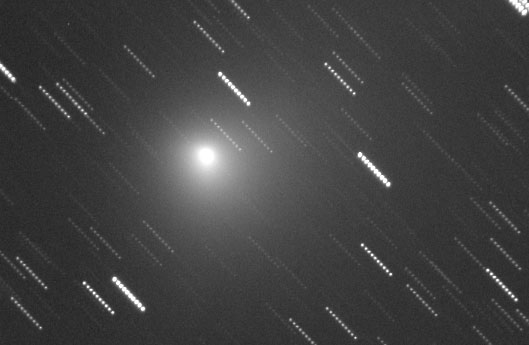
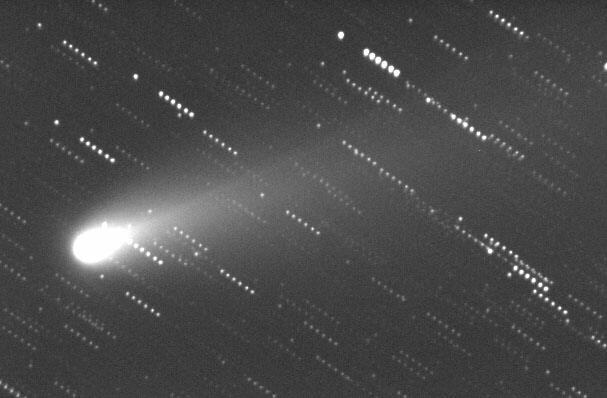
This picture shows the comet C/2002 T7 (Linear),
grabbed on 26 dec 2003, around 19:42 UT. 11 images (each of them
integrated for 60 seconds) have been added and than processed with the
rotational gradient. A jet is evident in the inner coma, close to the nucleus.
Its position is different if compared with the images from the previous night (see
below). SC 28 cm f/6.3, CCD SBIG ST-7, image processing with CCDSoft
and IRIS.
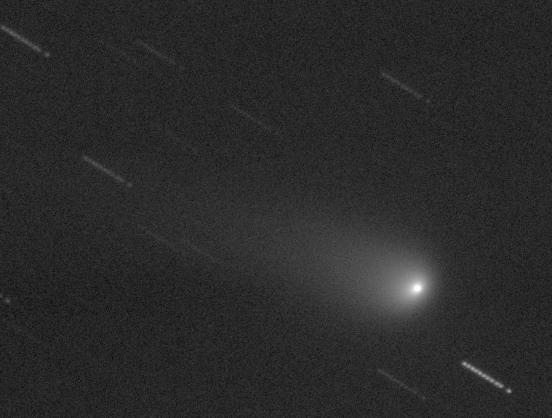
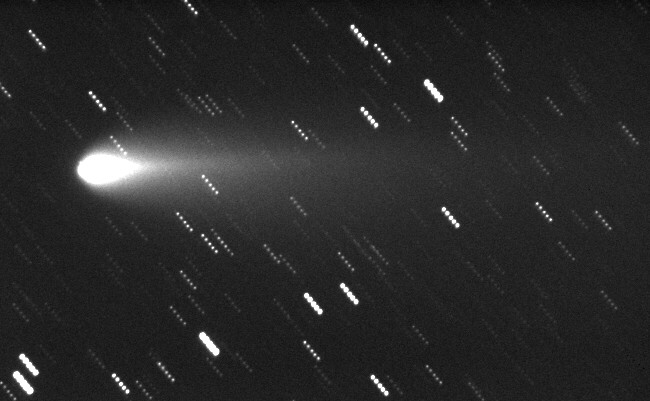
As above, but the resulting summed image is normally displayed.
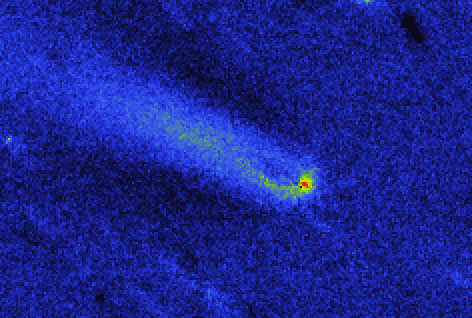
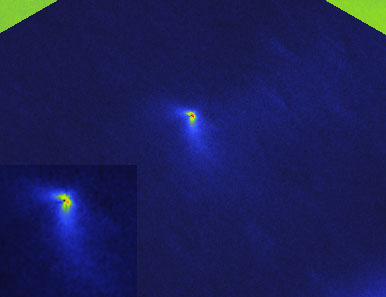
This picture shows the comet C/2002 T7 (Linear), grabbed on 25 dec 2003, around 2003 18:49 UT. 11 images (each of them integrated for 70 seconds) have been divided in three groups; for each of them the median image was calculated and the three resulting median frames added. Later, the rotational gradient was used to investigate the inner coma: a jet is visible. SC 28 cm f/3.3, CCD SBIG ST-7, image processing with CCDSoft and QMiPS32.
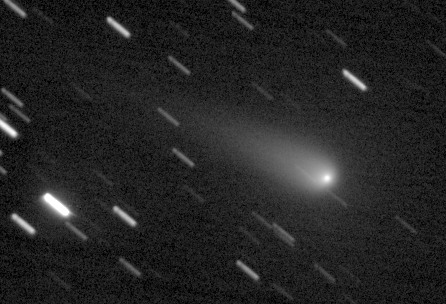
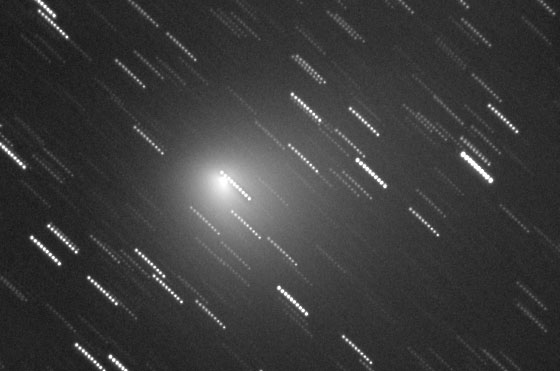
This picture shows the comet C/2002 T7 (Linear), grabbed on 25 dec 2003, around 2003 18:49 UT. 11 images (each of them integrated for 70 seconds) have been summed and the resulting farme log-scaled.SC 28 cm f/3.3, CCD SBIG ST-7, image processing with CCDSoft and QMiPS32.
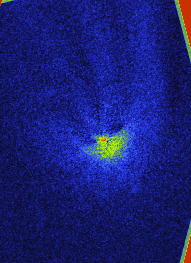
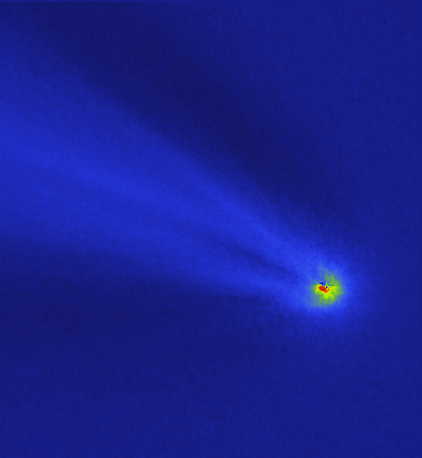
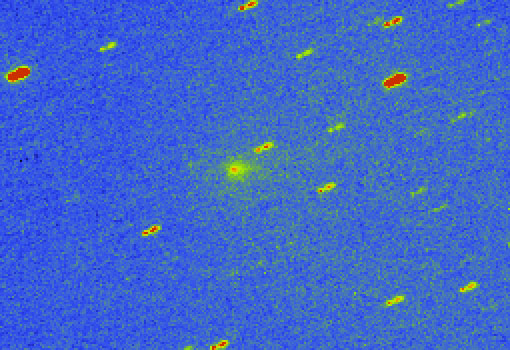
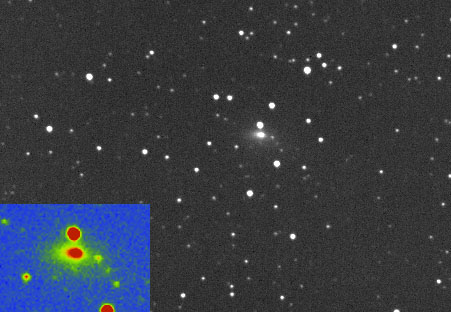

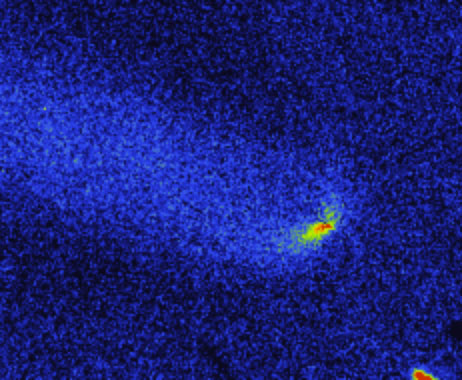
This picture shows the comet C/1999 T1 (McNaught-Hartley). 13
May. 2001, at 01:25 U.T. 120*5 sec exposure. SC 28 cm f/3.3, CCD SBIG
ST-7. A faint coma is visible, extending for several arcminutes.

Like above, but with pseudocolors, in order to underline the faint coma.
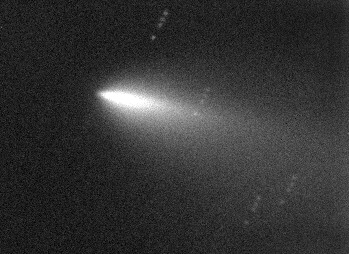
This picture shows the comet C/1999 S4 (Linear).
28 Jul. 2000, at 19:37 U.T. 30*4 sec exposure. SC 28 cm f/3.3, CCD SBIG
ST-7. This frame shows the inner part of the coma after its nucleus
disintegration.
The inner coma is very elongated, without any condensation, indicating
that the nucleus has been destroyed.
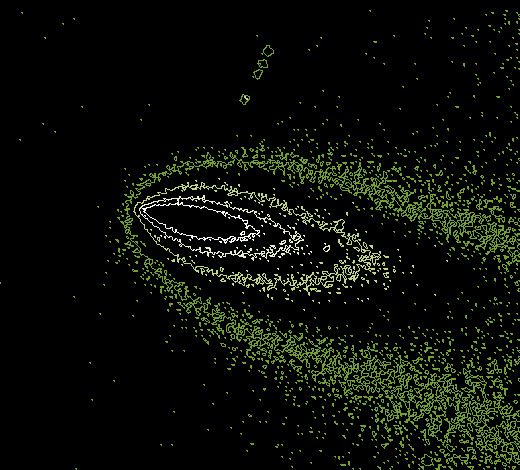
Like above, but isophotes have been included in order
to underline the strong elongation of the inner coma.
This picture shows the comet C/1999 S4 (Linear).
14 Jul. 2000. 7 min exposure. SC 28 cm f/3.3, CCD SBIG ST-7.
This picture shows the comet C/1999 S4 (Linear).
10 Jul. 2000, 01.13 U.T.; 5 min exposure. SC 28 cm f/3.3, CCD SBIG ST-7. Authors: G. Masi, M. A. Tosti.It is also available an animation, done with the same
frames.

Like above, but displayed using isophotes, in order
to analyze better the luminosity distribution over the coma.
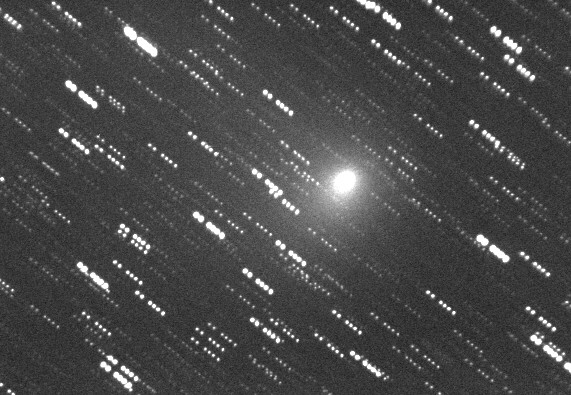
This picture shows the comet C/1999 H1 (Lee). 3 Oct.
1999, 20.14 U.T.; 6 min exposure. SC 28 cm f/3.3, CCD SBIG ST-7. Authors:
G. Masi, A. Cassetti.
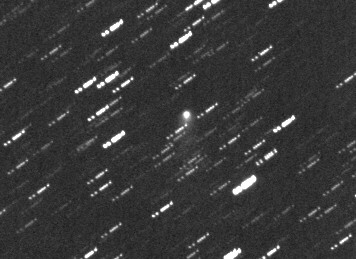
This picture shows the comet C/1999 S3 (Linear).
2 Oct. 1999, 23.27 U.T.; 7 min exposure. SC 28 cm f/3.3, CCD SBIG ST-7.
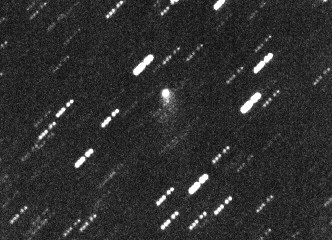
This picture shows the comet C/1999 S3 (Linear),
imaged the day after its discovery. 25 Sept. 1999, 20.53 U.T.; 10 min exposure.
SC 28 cm f/3.3, CCD SBIG ST-7. Full moon.
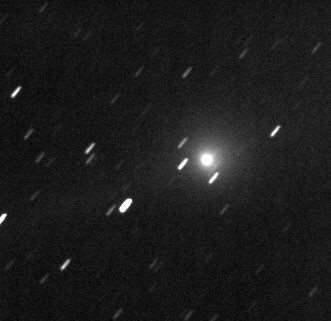
This picture shows the comet C/1999 H1 (Lee), taken
during the dusk. 23 August 1999, 3.18 U.T.; 9 min exposure. SC 28 cm f/3.3,
CCD SBIG ST-7.
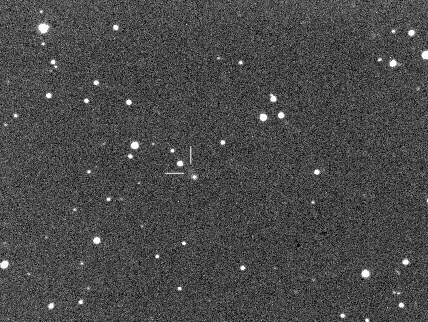
This picture shows the comet C/1999 J2 (Skiff). 11
July 1999, 21.16 U.T.; 3 min exposure. SC 28 cm f/3.3, CCD SBIG ST-7.
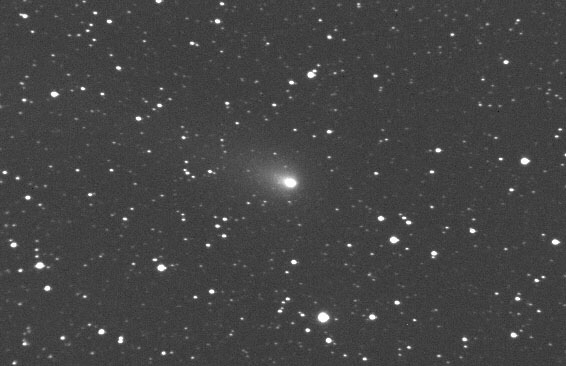
This picture shows the comet P/Giacobini-Zinner.
15 October 1998, 17.52 U.T.; 2.5 min exposure. SC 28 cm f/3.3, CCD SBIG
ST-7.
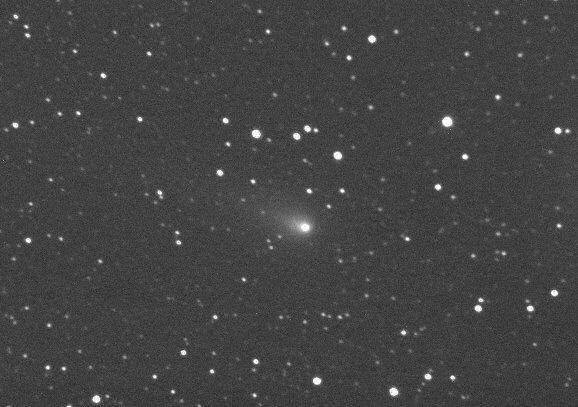
This picture shows the comet P/Giacobini-Zinner.
12 October 1998, 18.43 U.T.; 2.5 min exposure. SC 28 cm f/3.3, CCD SBIG
ST-7.
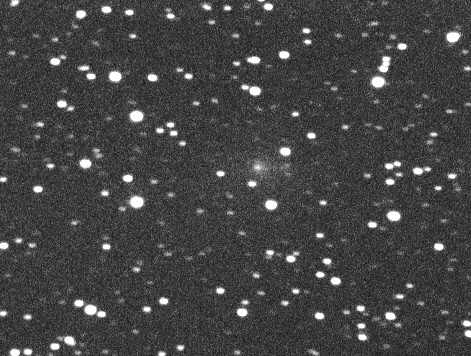
This picture shows the comet P/Hartley2. 26 March
1998. SC 28 cm f/3.3, CCD SBIG ST-7.
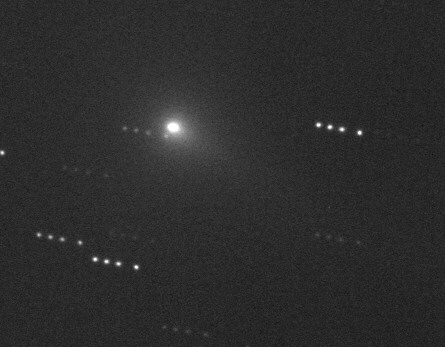
This picture shows the comet P/Hartley2. 24 December
1997. SC 28 cm f/6.3, CCD SBIG ST-7.
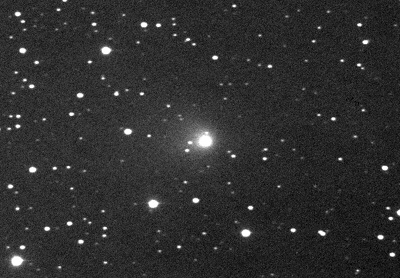
This picture shows the comet P/Wild2. 3 March 1997,
18.57 U.T. 12 min exposure. Reflector 15 cm f/5, CCD SBIG ST-7.
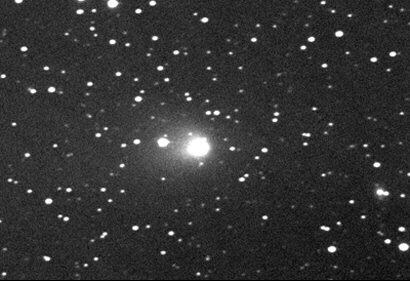
This picture shows the comet P/Wild2. 9 March 1997,
19.33 U.T. 25 min exposure. Log Scaled. Note the galaxy PGC 21893 on the right. Reflector 15 cm f/5, CCD SBIG ST-7.
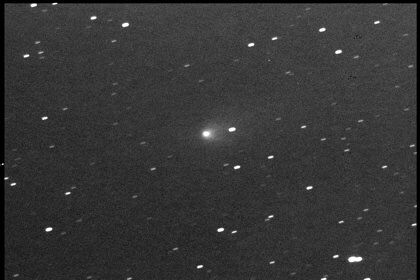
This picture shows the comet P/Wild2. 3 May 1997,
19.57 U.T. 10 min exposure. Reflector 15 cm f/5, CCD SBIG ST-7.
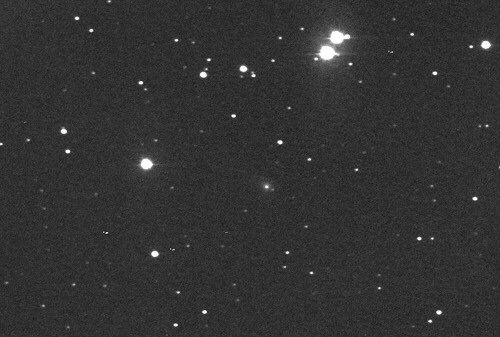
This picture shows the comet C/1997 J2 (Meunier-Dopouy).
30 Aug 1997, 19.06 U.T. 10 min exposure. Reflector 15 cm f/5, CCD SBIG
ST-7.